
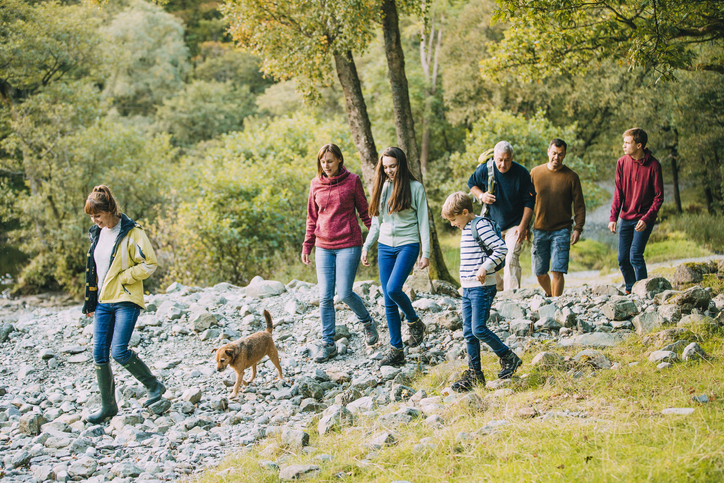
In Canada today, roughly half of all marriages end in divorce, and many people go on to build new relationships and new households. The result is often a blended family — a couple where one or both partners bring children from a previous relationship. Blended families come with all sorts of everyday challenges, from learning to parent children who aren’t your own to navigating finances and holidays across two households. But one of the most important, and most often overlooked, challenges is deciding what happens to your estate if one parent dies.
Why “Leave Everything to My Spouse” Doesn’t Always Work
Many couples default to a simple plan: leave everything to the surviving spouse, who will use the estate to support themselves and raise the children. In a blended family, this default carries real risk. If some of the children aren’t the natural or legally adopted children of the surviving spouse, several questions arise:
- Can the surviving spouse be trusted to treat all of the children equally?
- Will all of the children even continue to live with the surviving spouse?
- What happens if the surviving spouse remarries, has more children, or simply changes their mind?
Once assets pass to a surviving spouse outright, they become that spouse’s property to leave — or not leave — as they see fit. A surviving spouse is free to write a new will after the first spouse dies, and that new will can leave out the deceased spouse’s children entirely. This is one of the most common and painful outcomes we see in blended family estates, and it’s almost always avoidable with the right planning.
Stepchildren Don’t Automatically Inherit
It’s also worth knowing that stepchildren are treated differently than biological or adopted children under BC law — they have no automatic right to inherit from a stepparent’s estate unless they’re specifically named as a beneficiary. We cover this in detail, including how to make sure a stepchild is properly provided for, in Do Stepchildren Have Inheritance Rights in BC?.
Strategies to Protect Both Your Spouse and Your Children
There are several ways to distribute your estate fairly while giving both your spouse and your children the security they need.
Trusts for a surviving spouse. One option is to create a trust for your surviving spouse that allows them to receive the income from the trust for their lifetime, so they have what they need to live on and to raise the children. On the surviving spouse’s death, the remaining capital of the trust then passes to your children. A similar trust can be created for stepchildren, providing them with income for a defined period — for example, until they graduate from university — rather than an outright inheritance.
Splitting assets by type. Another approach is to divide your estate by type of asset rather than by trust. Your spouse might receive an outright gift or the benefit of a trust, while your children receive other assets — such as life insurance — directly. If you have a life insurance policy, the proceeds can pass to your children as named beneficiaries outside of your estate entirely, while the remainder of your estate is divided between your spouse and children. This only works well if your estate — or the life insurance on its own — is large enough to meet your spouse’s needs.
Mutual wills agreements. Some couples choose to enter into a mutual wills agreement — a contract in which both spouses agree not to change their wills after the first of them dies. This can prevent a surviving spouse from later rewriting their will to exclude the first spouse’s children. Mutual wills agreements aren’t right for every family, though: they can become a problem if circumstances genuinely change and updating the will would be the fairer choice — for example, if one child later needs financial help that the others don’t, or the surviving spouse has more children of their own. Because a mutual wills agreement is a binding contract with long-term consequences, it’s worth discussing carefully with your lawyer before committing to one.
Getting Married Doesn’t Cancel Your Old Will
Under British Columbia’s Wills, Estates and Succession Act, getting married does not automatically cancel a will you made before the wedding. That’s a change from the old rule, and it surprises a lot of people entering a second marriage. It also means the reverse is true: if you don’t update your will after remarrying, an old will made before the new relationship — including one that still names a former spouse — can remain in effect. Anyone entering a new relationship, especially one that includes children from a previous marriage, should treat updating their will as a priority, not an afterthought.
Watch for Assets That Bypass Your Will
Not everything you own passes through your will. Property held in joint tenancy, joint bank accounts, and jointly held real estate generally pass directly to the surviving joint owner by right of survivorship, regardless of what your will says. For blended families, this can quietly undo careful planning — a family home held jointly with a new spouse, for instance, will go to that spouse outright, even if your will says otherwise. We go into this in more detail in Right of Survivorship. If you’re revisiting your estate plan for a blended family, it’s worth reviewing how each of your major assets is actually held, not just what your will says about them.
Tax Considerations
Tax implications also need to be considered. For assets such as RRSPs and RRIFs, there’s a tax benefit to leaving these to your spouse rather than your children, since they won’t be taxed until your spouse’s death. That can make RRSPs a useful asset to direct toward your spouse, while directing other assets, like life insurance, toward your children.
What Happens Without a Will?
If you die without a will, BC’s intestacy rules decide who inherits, and those default rules rarely reflect what a blended family actually wants — stepchildren, in particular, aren’t included at all. We cover this in full in our guide to dying intestate in BC. If you don’t yet have a will, that’s the place to start.
A Quick Example
Consider Anne and Mark, both previously married with two children each. They marry, move into a home together, and want to make sure all four children are eventually provided for. If Anne dies and leaves everything to Mark outright, Mark could later remarry, change his will, or simply leave his estate to his own two children, leaving Anne’s children with nothing. By instead setting up a spousal trust that supports Mark for his lifetime, with the capital passing to Anne’s children afterward, Anne can be confident her children are provided for no matter what Mark decides down the road.
Getting Estate Planning Right for Your Blended Family
Every blended family is different, and there’s no single template that works for all of them. Whether that means a spousal trust, a mutual wills agreement, careful beneficiary designations, or a combination of strategies, the right structure depends on your family’s specific relationships, assets, and goals.
Contact Deborah Todd Law to talk through the right estate plan for your blended family.
Frequently Asked Questions
Do stepchildren automatically inherit in BC?
No. Under BC law, stepchildren have no automatic right to inherit from a stepparent’s estate unless they are specifically named in the will. See Do Stepchildren Have Inheritance Rights in BC? for more detail.
Can my spouse change their will after I die?
Yes, unless you’ve entered into a mutual wills agreement. Without one, a surviving spouse is generally free to rewrite their will at any time, including in ways that leave out your children.
Does getting remarried cancel my old will?
No — under BC’s Wills, Estates and Succession Act, marriage no longer automatically revokes a prior will. That makes it especially important to review and update your will whenever your family situation changes.
What happens if I don’t have a will at all?
Your estate would be distributed under BC’s intestacy rules, which do not provide for stepchildren and may not reflect your wishes. Read more in our guide to dying intestate in BC.
